100% Customer Satisfaction Guaranteed
We are confident you will love your new furniture from Regency Shop. However, if for any reason you want to return your items, we offer a 14 day RISK-FREE, 100% Satisfaction Guarantee on your purchase, unless otherwise noted, with a return authorization number. We will happily accept your return, however the product must be returned in its original (new) condition, with original packaging, and the customer is responsible for return shipping charges. The original freight charge is non-refundable and there will be 15% restocking fee for all products. Our products are offered with free shipping, so please be aware that if you return one of these products our actual outbound shipping costs will still be deducted from your return refund. All local pick up sales are final and return policy will not apply.
If your shipping address is a "beyond point" then a shipping surcharge may apply. Beyond Point surcharge is calculated by the shipping companies. Beyond points are usually defined by difficult access points, narrow roads, gated communities, islands, rural areas or mountains. There is no way for us to ascertain a "beyond point" until we get shipping quotes from our shipper. We will contact you if your shipping address comes up as a "Beyond Point".
PLEASE FULLY INSPECT YOUR SHIPMENT.
SHIPPING:
Items will typically ship within 2 business days of payment and arriving in 3 to 5 business days your curb. We will send you your tracking number immediately upon shipment. Please remember that the basic shipping for all furniture includes delivery to your curbside, not inside your home. We advise scheduling someone to help you carry your new furniture into your home.
DAMAGE RETURNS:
Damage claims must be reported within 24 hours of delivery. A picture of the damaged item is required, no exceptions. Pre-authorized returns only. Item can only be exchanged for the same item, no refunds are issued.
INTERNATIONAL SHIPPING:
We ship all across the globe.
There is a $99 or more surcharge per item for shipping to Canada, Alaska and Hawaii.
Per-item shipping for most items outside the U.S. is as follows:
By Sea: Shipping $699: Lead-time: 10-15 days
By Air: Shipping $999: Lead-time: 2-5days
Please contact us us for details.
LOCAL PICKUPS
Call us for discounts! Local pickups offer discounts of upto $150 per item!
We offer the convenience of local pickups to customers in the southern California area. Please contact us us directly to schedule a pick up time and to learn about further discounts.

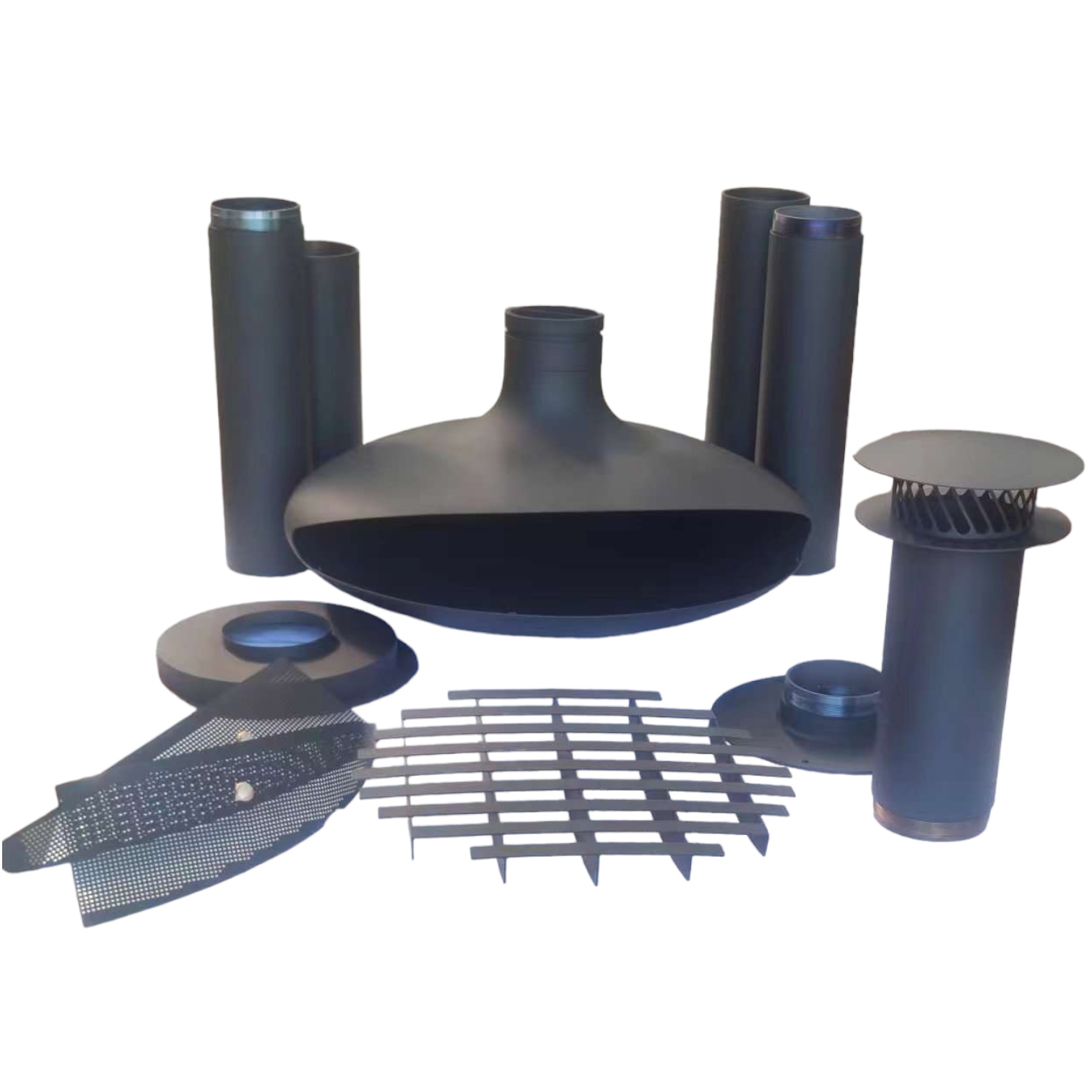
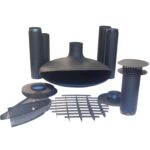
 Accessories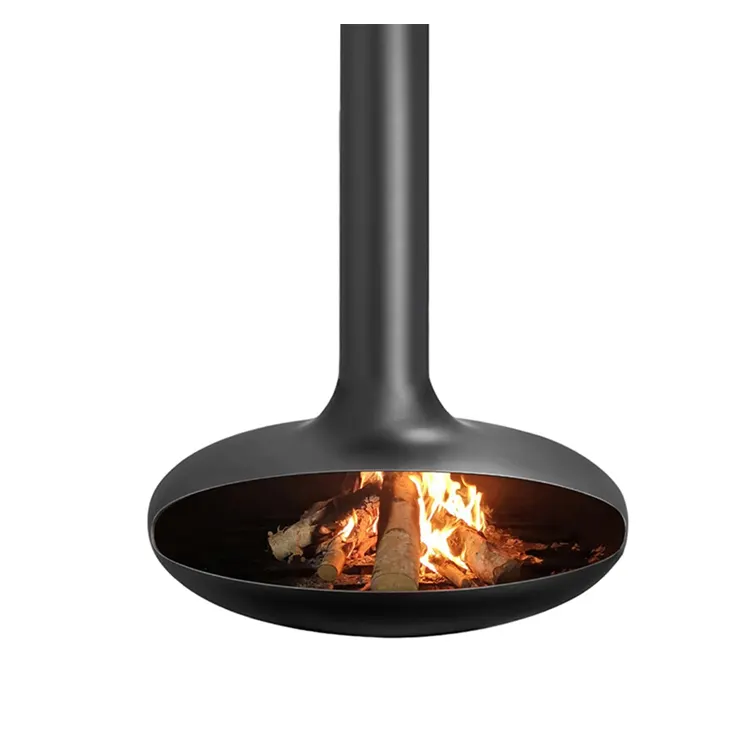





Johnson (verified owner) –
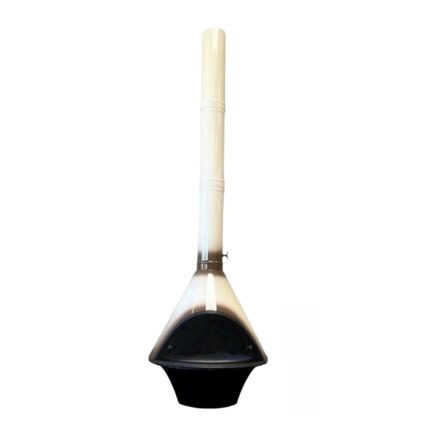
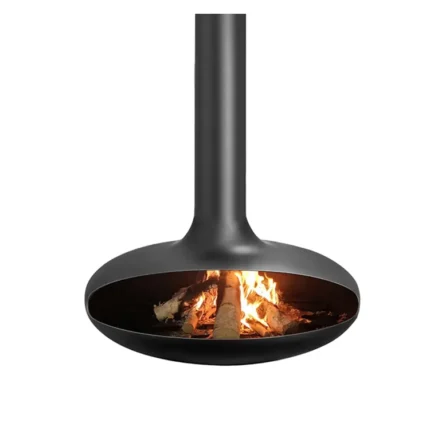
Absolutely love our new suspended fireplace! It adds a touch of modern elegance to our living room and creates such a cozy atmosphere.
Samwell T (verified owner) –
The suspended fireplace is the focal point of our home. It’s not only stylish but also functional, providing ample warmth during the colder months. It’s a conversation starter for sure!
Toney James (verified owner) –
Sleek, modern, and efficient! The suspended fireplace is everything we hoped for. It’s easy to use, easy to maintain, and looks stunning in our living space. Couldn’t be happier with our purchase.
Jenney (verified owner) –
We are so pleased with our suspended fireplace! It’s a work of art in our home, and the heat it gives off is incredible. It’s made our living room so cozy and inviting. Definitely recommend!
Katty Ley (verified owner) –
The suspended fireplace has transformed our living room into a modern oasis. It’s sleek design and efficient heating make it a must-have for any contemporary home. We absolutely love it!
Leynaya (verified owner) –
Our new suspended fireplace is a game-changer! It not only heats our space efficiently but also adds a stylish touch to our decor. The quality is exceptional, and we couldn’t be happier with our purchase.
Paul T (verified owner) –
We are thrilled with our suspended fireplace! It has become the focal point of our living room, and we’ve received so many compliments on its unique design. The heat output is fantastic, and it’s incredibly easy to use.
Sansa E (verified owner) –
The suspended fireplace is a showstopper! It’s sleek, modern, and adds so much character to our home. We love how it warms up our living space, making it cozy and inviting. Highly recommend!
Ethal R (verified owner) –
Our suspended fireplace is the best investment we’ve made for our home. It not only looks amazing but also provides exceptional heat. The installation was quick, and we’ve been enjoying it every day since!
Powl (verified owner) –
Modern luxury at its finest! Instantly transformed my space with its unique design and efficient warmth.
Lilly (verified owner) –
The craftsmanship is top-notch, and it provides great heat without taking up too much space.
Kate (verified owner) –
It creates a cozy atmosphere while blending seamlessly with my modern décor.
David (verified owner) –
The sleek design and 360-degree rotation make this both a functional and stylish addition to my home.
Jain (verified owner) –
This suspended fireplace adds elegance and warmth, making it the perfect centerpiece for my living room.